
Why Coachability Matters More Than Talent
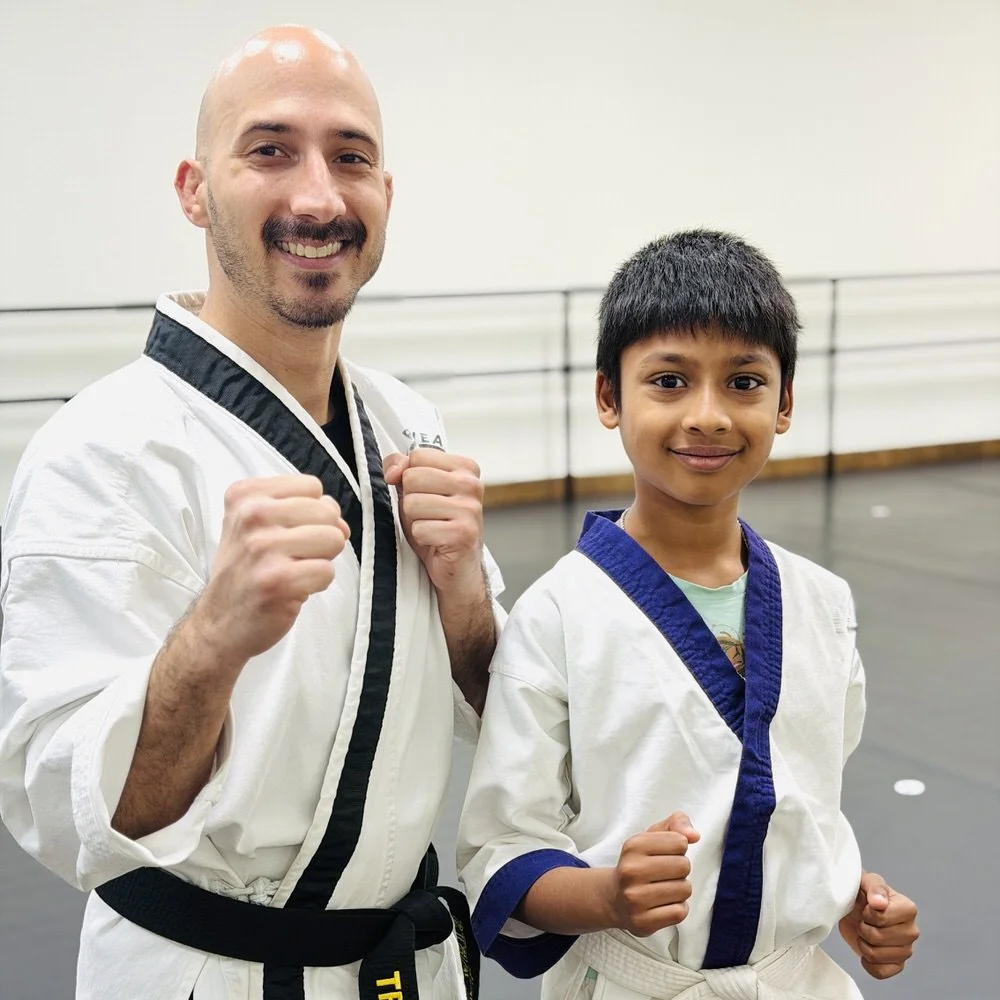
Every parent has seen it.
The kid who’s naturally athletic.
The student who picks things up quickly.
The child who seems to have “it” without trying.
Talent gets noticed early.
But talent alone rarely determines who succeeds long-term.
What actually separates kids who thrive from those who stall out is something far less flashy:
Coachability.
Talent Opens Doors — Coachability Keeps Them Open
Talent can give a child an early advantage. It can earn praise, attention, and opportunities.
But coachability determines whether those opportunities turn into growth.
Coachable kids know how to:
- Listen without becoming defensive
- Accept correction without shutting down
- Adjust when something isn’t working
- Respect authority and instruction
- Keep improving even when they’re already “good”
These skills don’t come naturally.
They’re learned — or not.
What Happens When Talent Goes Unchecked
When kids rely only on talent, something subtle but dangerous can happen.
They begin to:
- Resist correction
- Take feedback personally
- Get frustrated when challenged
- Expect results without effort
- Struggle when they’re no longer the best in the room
This is often where parents say, “They’ve just lost interest.”
But what’s really happening is this:
The environment finally required coachability — and the skill wasn’t there.
Talent Plateaus. Coachability Compounds.
Talent grows linearly.
Coachability compounds over time.
The older kids get, the more success depends on:
- Taking direction
- Working within systems
- Responding well to feedback
- Being part of a team
This is true in school.
This is true in sports.
This is true in careers.
Why Coachability Is So Hard to Teach Later
Coachability isn’t a lecture.
You can’t explain it once and expect it to stick.
It has to be practiced — repeatedly — in an environment where:
- Correction is normal
- Effort is expected
- Respect is modeled
- Feedback is consistent
Without early exposure, correction feels threatening instead of helpful.
And once defensiveness becomes a habit, growth slows dramatically.
How Martial Arts Builds Coachability Naturally
Martial arts creates a rare environment where coachability is unavoidable — and safe.
At Reveal Martial Arts, students practice coachability every class through:
- Listening before acting
- Responding verbally when addressed
- Adjusting technique based on feedback
- Repeating skills until they improve
- Respecting instructors and peers
Correction isn’t personal.
It’s part of progress.
Over time, students stop reacting emotionally and start responding constructively.
Coachability Is Taught — Not Assumed
We don’t assume kids know how to take direction.
We teach it.
Calmly.
Consistently.
Without yelling or shaming.
That’s why parents across Southlake, Alliance / Heritage Trace, and Haslet often tell us:
“My child listens better — not just here, but everywhere.”
Why Employers Care More About Coachability Than Skill
As kids grow into teens and adults, the pattern becomes clear.
Employers don’t hire based on talent alone.
They look for people who can:
- Take feedback
- Learn quickly
- Adapt under pressure
- Work with others
- Respect leadership
Coachability predicts success more reliably than raw ability.
And kids who learn it early have a lifelong advantage.
A Final Thought for Parents
Talent feels good to praise.
Coachability feels harder to insist on.
But one builds short-term confidence.
The other builds long-term success.
The most successful kids aren’t the most gifted.
They’re the most teachable.
Want Your Child to Build Coachability the Right Way?
If you’re in Southlake, Alliance / Heritage Trace, or Haslet, we invite you to see how coachability is trained — not forced — at Reveal Martial Arts.
A free trial class allows your child to experience structure, respectful coaching, and real growth in a supportive environment.
Schedule a free trial class:
https://www.idokarate.com/special
